Tucked up against Kenya's southern border with Tanzania, Amboseli National Park is one of the most accessible and popular wildlife destinations in Kenya — just a four-hour journey from Nairobi. Sitting underneath Africa's highest mountain, Mount Kilimanjaro, the park receives little rainfall yet is home to a network of swamps and marshes sustained by underground mountain run-off that attracts a wealth of birdlife.
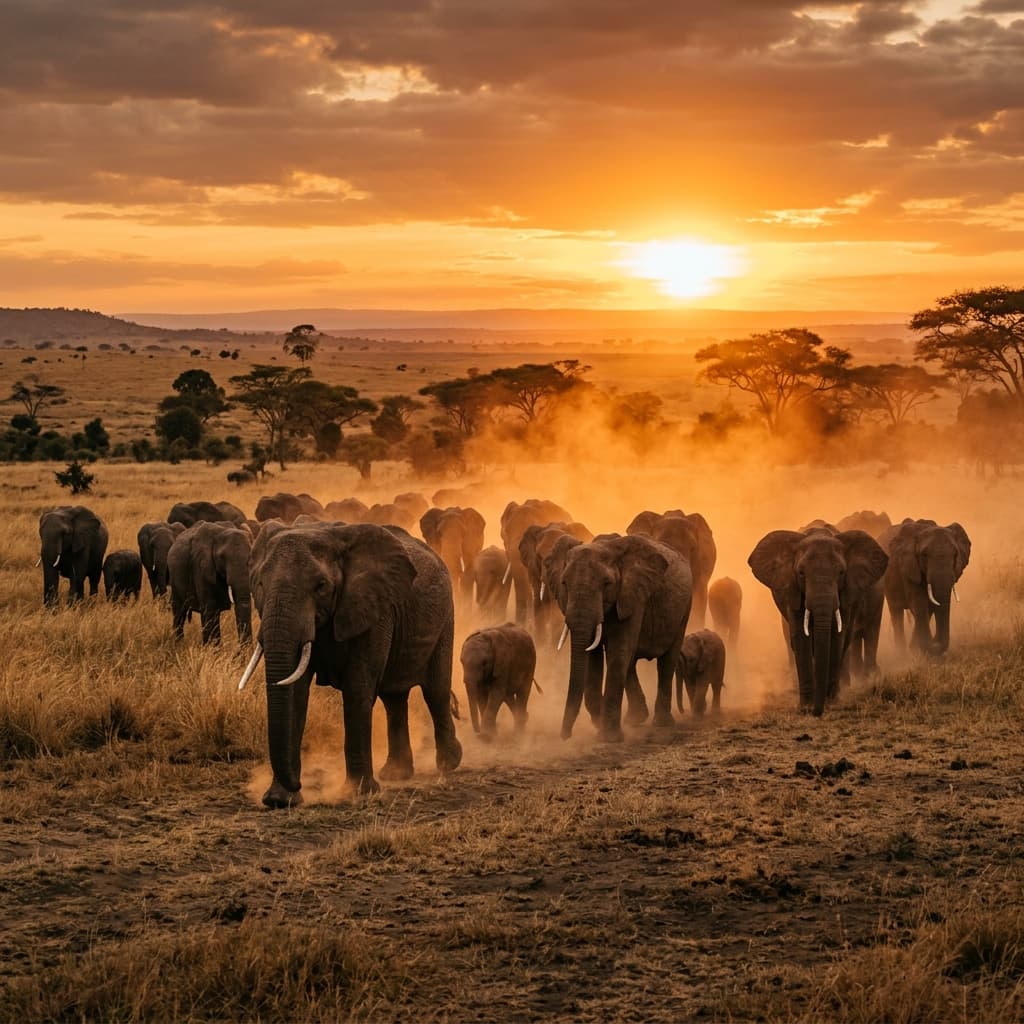
Amboseli is famed for its most iconic vista — the snow-capped peak of Kilimanjaro and large herds of elephants. Seeing herds of elephants slowly pass the snow-capped peak of Kilimanjaro is the quintessential image of East Africa. Amboseli National Park is part of the wider Amboseli ecosystem; this dusty savannah remains largely unfenced and wildlife disperses during the wet season into the surrounding lands, some of which are now Maasai-owned conservancies where it is possible to enjoy intimate walking safaris and night game drives.
Amboseli National Park is one of the best places in the world to see wild African elephants, with around 1,500 packed into just 392 km². The name Amboseli comes from the Maasai word meaning 'salty dust' — and seeing herds of gentle giants covered in white, salty mud after an afternoon of wallowing in the swamps is a happily common sight here.
Amboseli Elephants
Around 1,500 elephants call Amboseli home — a healthy population thriving in 392 km² that has bypassed much of the poaching crisis affecting other areas of East Africa, thanks in the main to the Amboseli Elephant Research Project, Africa's longest running study of wild elephants, and the community-owned conservancies which surround the park. On an Amboseli safari expect to see herds of up to 100 individuals of all ages, from tiny babies to 60-year-old matriarchs and huge tuskers.
Amboseli Wildlife
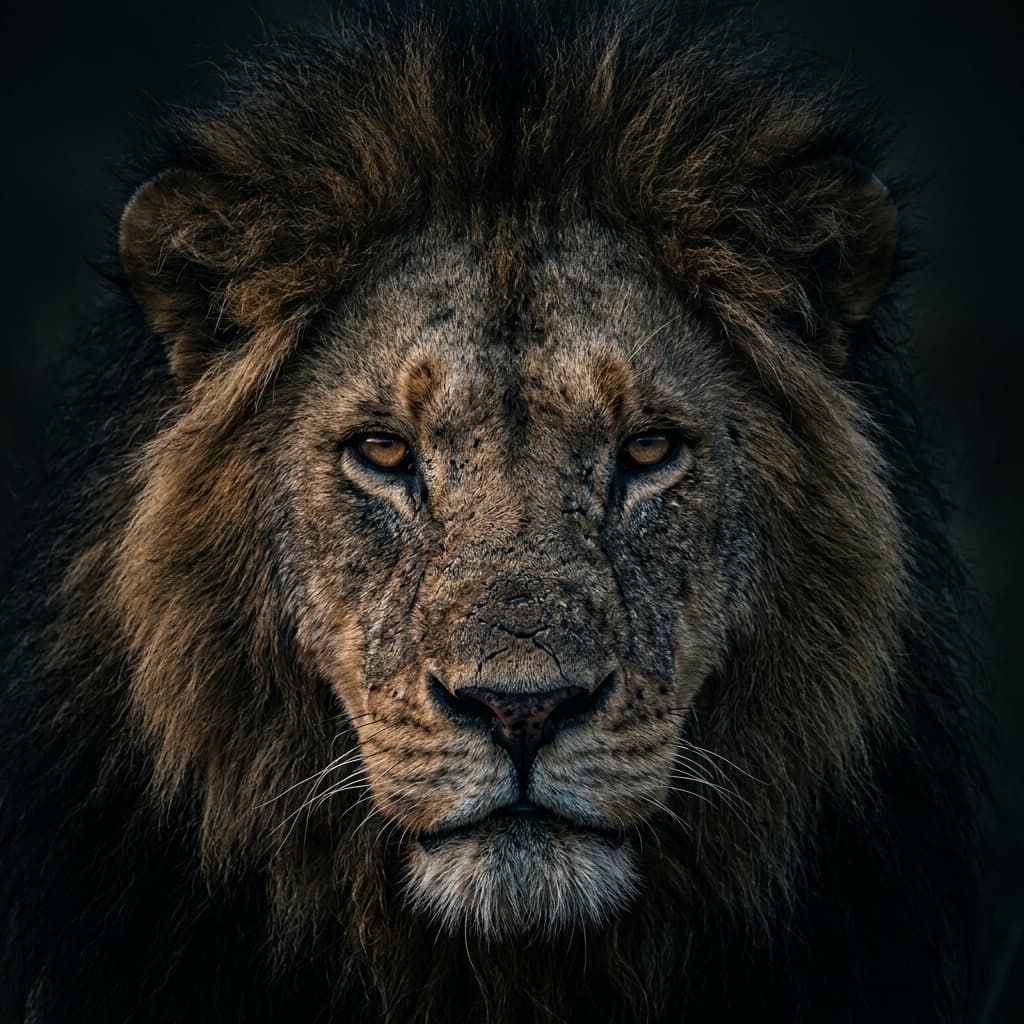
In addition to large herds of elephants, Amboseli National Park is also home to more than 50 mammal species, including lion, cheetah, leopard, hartebeests, gazelles, lesser kudu, plus herds of zebras, wildebeests and their predators. Over 420 bird species thrive here, including flamingos that settle in the swamps during wet seasons, turning the marshes a hazy, squawking pink.
The Observation Hills
This pyramid-shaped hill rising out of Amboseli's plains offers a panoramic view across the park to Kilimanjaro in the south, or east to the swamps. It is one of the only places you can get out of your vehicle and stretch your legs — seeing elephants and hippos in the distance puts their size, and the sheer scale of the landscape, in context.
Safari Activities in Amboseli National Park
Game viewing is the premier activity, conducted as morning, afternoon and full-day game drives in a custom safari vehicle with an experienced guide. The morning and evening hours are perfect for seeing predators — lions, cheetahs, leopards and African wild dogs — returning from their hunting territories. Bird watching is equally rewarding, with over 425 recorded species including the Pangani longclaw, Taveta golden weaver, Von der Decken's hornbill and large flocks of flamingos during the wet season. Guided nature walks offer close encounters with zebras, giraffes and smaller species difficult to spot from a vehicle, while visits to Maasai cultural villages reveal the traditions of the people who have shared this landscape with wildlife for centuries.
Best Time to Visit
The dry season from June to October is generally considered the best time to see wildlife in Amboseli, as animals retreat to the permanent swamps fed by underground water from Kilimanjaro. However this is also peak season, so early booking is essential. The wet season brings flamingos and migratory birds and offers dramatic photography when the dry lake bed briefly fills with a shallow mirror of water reflecting the sky and savannah.