Nairobi National Park is a unique safari destination — the only one of its kind in the world, found within a capital city, situated just 7 kilometres from the centre of Nairobi. There is no other place on earth where you can view critically endangered rhinos against a backdrop of downtown skyscrapers, or spot giraffes from your window seat as you land at Jomo Kenyatta International Airport.
For visitors embarking on tours to Kenya's most famous safari destinations — Amboseli, Tsavo East and West, Samburu and the iconic Maasai Mara — Nairobi National Park offers an incredible introduction to Kenya's wildlife and birdlife. The park comprises primarily savannah and plains with areas of highland forest, acacia and riverine environments, providing sanctuary to endangered black rhinos, leopards, cheetahs, hyenas, buffaloes, giraffes and over 400 bird species. Nairobi National Park is also one of the most successful rhinoceros sanctuaries in Kenya and Africa. It was officially opened in 1946, making it the first national park to be gazetted in Kenya and East Africa, covering 117 square kilometres and lying 5,000–6,000 feet above sea level.
Wildlife in Nairobi National Park
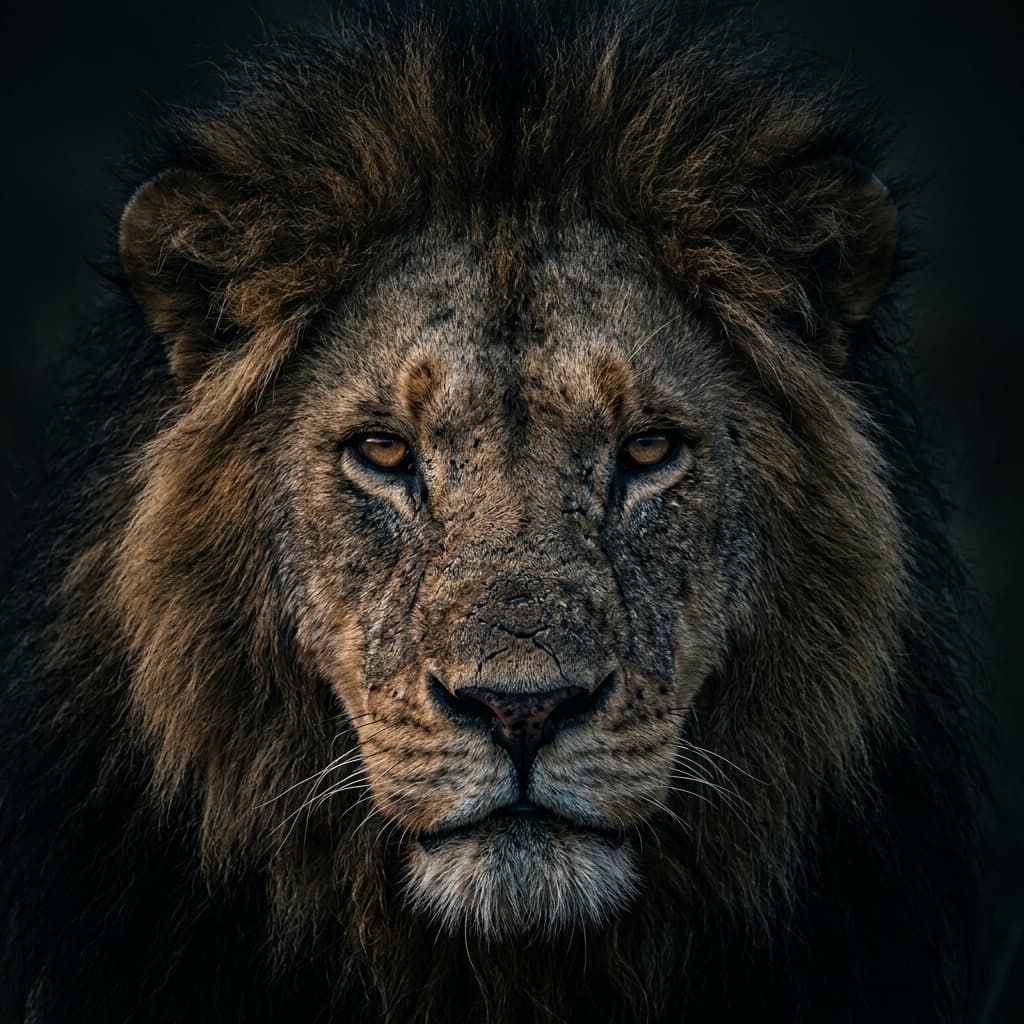
The park is home to four of the Big Five — African buffalo, eastern black rhinoceros, lions and leopards — with no elephants. Other animals include cheetahs, olive baboons, Coke's hartebeest, hippopotamus, common eland, impala, Maasai giraffe and waterbucks. Wildlife concentrations are greatest during the dry season, and the park represents the northern limit for many migrating species.
Inside the park is the Sheldrick Elephant Orphanage, run by the David Sheldrick Trust, which hand-rears orphaned elephant and rhinoceros calves before releasing them back into secure protected areas around Kenya. The orphanage was opened in 1963 by Daphne Sheldrick — set up after the death of her husband David Sheldrick, the anti-poaching warden of Tsavo National Park — near the park's main entrance. Feeding time is daily at 11:00 am.
Birdlife
With over 400 recorded species including 20 seasonal migrants from Europe, Nairobi National Park is one of Kenya's finest birding sites. Notable species include the Lilac-breasted Roller, Superb Starling, Hartlaub's Turaco, Cinnamon-chested Bee-eater, African Paradise Flycatcher, Violet-backed Starling, Secretary Bird, Martial Eagle, Bateleur Eagle, African Fish Eagle, Yellow-billed Stork, African Sacred Ibis, Marabou Stork, African Spoonbill, Egyptian Goose, Speckled Mousebird, Red-cheeked Cordon-bleu, Hadada Ibis, Pied Kingfisher, Helmeted Guineafowl, White-bellied Go-away-bird, Grey-headed Kingfisher, Bronze Mannikin and Yellow-rumped Tinkerbird among many others.
Safari Activities
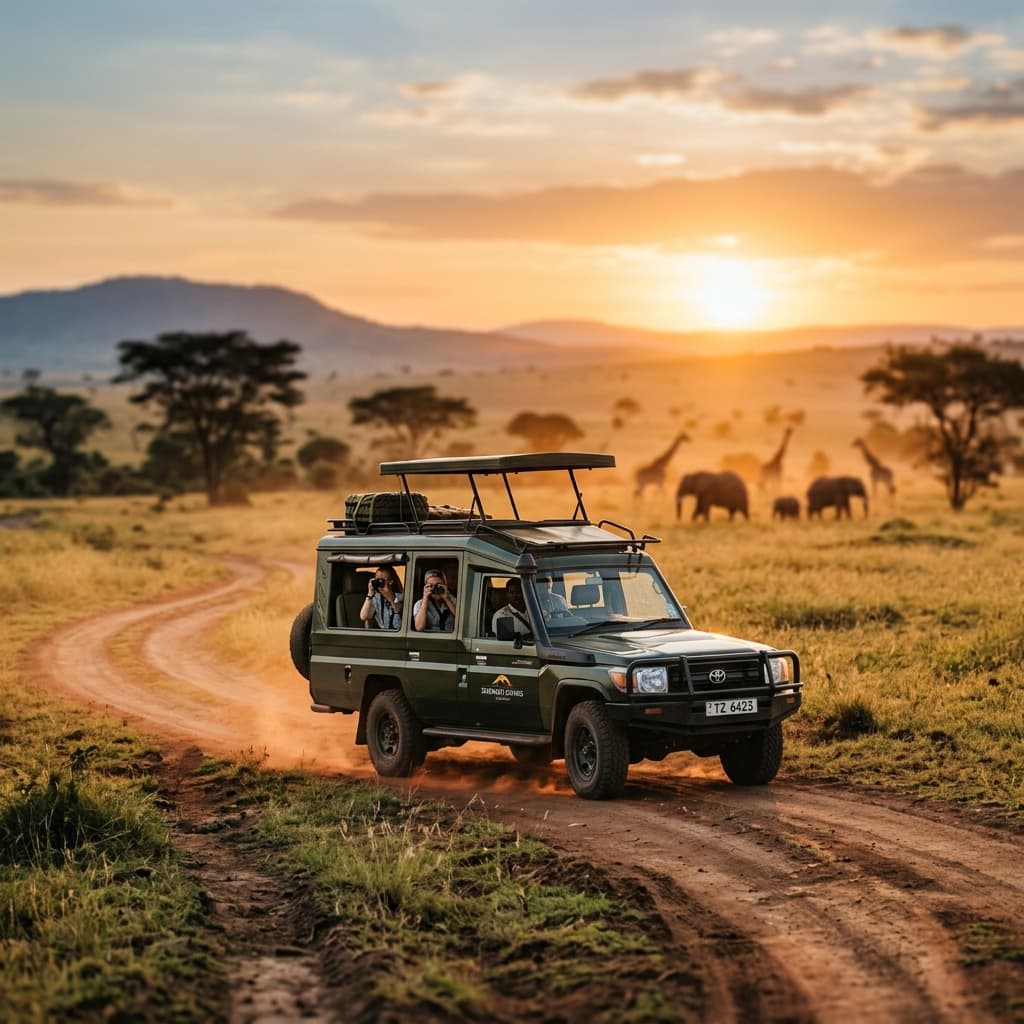
Game viewing is the main activity, with wildlife easily spotted across rolling grasslands, acacia bush, deep rocky valleys, gorges and along the Mbagathi River and small dams that attract water-dependent animals and birds. Rhino tracking at the Kifaru Ark Sanctuary within the park — one of the world's densest concentrations of black rhinos — offers one of the few protected areas in Kenya where rhino sightings are virtually guaranteed; the sanctuary is already generating breeding stock for reintroduction into the species' former range and other upcoming sanctuaries. The Nairobi Safari Walk features a raised wooden boardwalk that winds gracefully through diverse habitats, providing uninterrupted views of wildlife, River Mokoyet and the rocky thickets of the park. The Sheldrick Elephant Orphanage offers daily interaction with orphaned elephants and rhinos at 11:00 am. Birding safaris targeting the park's 400+ species round out the offering.
Best Time to Visit
Nairobi National Park is open year-round. The dry season from June to September is generally best for game viewing, when animals congregate around water sources. The rainy seasons (March–May and October–November) bring thick vegetation that can restrict game drives and make wildlife sightings more challenging.
Getting There
The park is approximately 7 kilometres south of Nairobi city centre and 10 kilometres from Jomo Kenyatta International Airport. It is accessible via six public gates: KWS Headquarters, Langata Road, Langata Gate, Maasai Gate, Mbagathi Gate and Banda Gate.
Where to Stay
The Nairobi Tented Camp is the only accommodation inside the park. Options outside include Emakoko Lodge, Eka Hotel, Panari Hotel, African Heritage House, Acacia Camp Swara Plains and Ole Sereni Hotel.