Tarangire National Park is considered by many aficionados as Tanzania's best-kept safari secret. The park gets its name from the Tarangire River which runs from south to north through the park — 'Tarangire' means 'winding river of warthogs'. The river is the main source of water in the park and the surrounding areas. Proclaimed in 1970, at 2,850 km² Tarangire is the 6th largest national park in Tanzania.
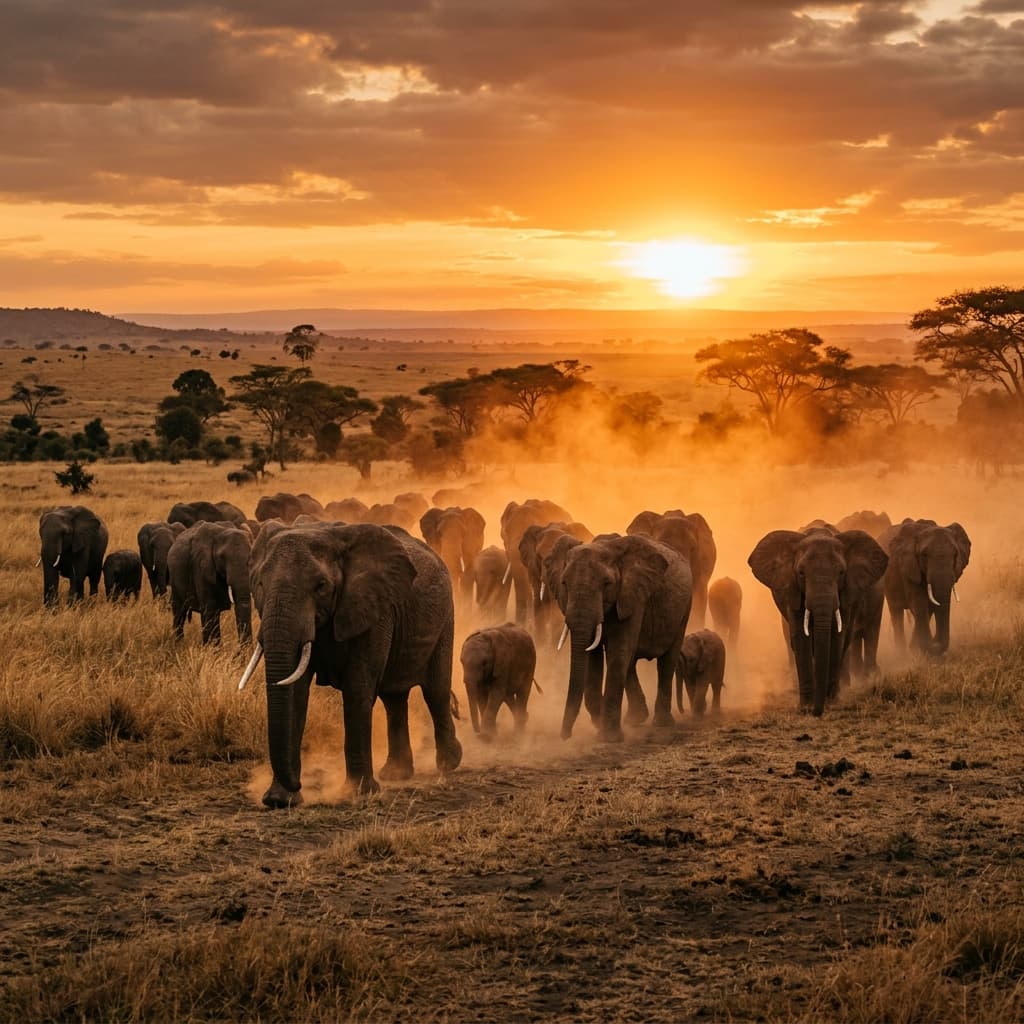
Often overlooked as it requires a detour from the popular Northern Safari Circuit, Tarangire receives considerably fewer tourists, meaning less congestion at wildlife sightings and an enhanced sense of true wilderness. The park stands out among northern Tanzania parks thanks to an abundance of nature's giants — African elephants and the peculiar baobab trees whose bulbous trunks can hold hundreds of litres of water. During the dry season, the perennial Tarangire River is the only reliable water supply, attracting vast herds of game and attendant predators in what is regarded as Tanzania's mini-migration.
Regions of Tarangire
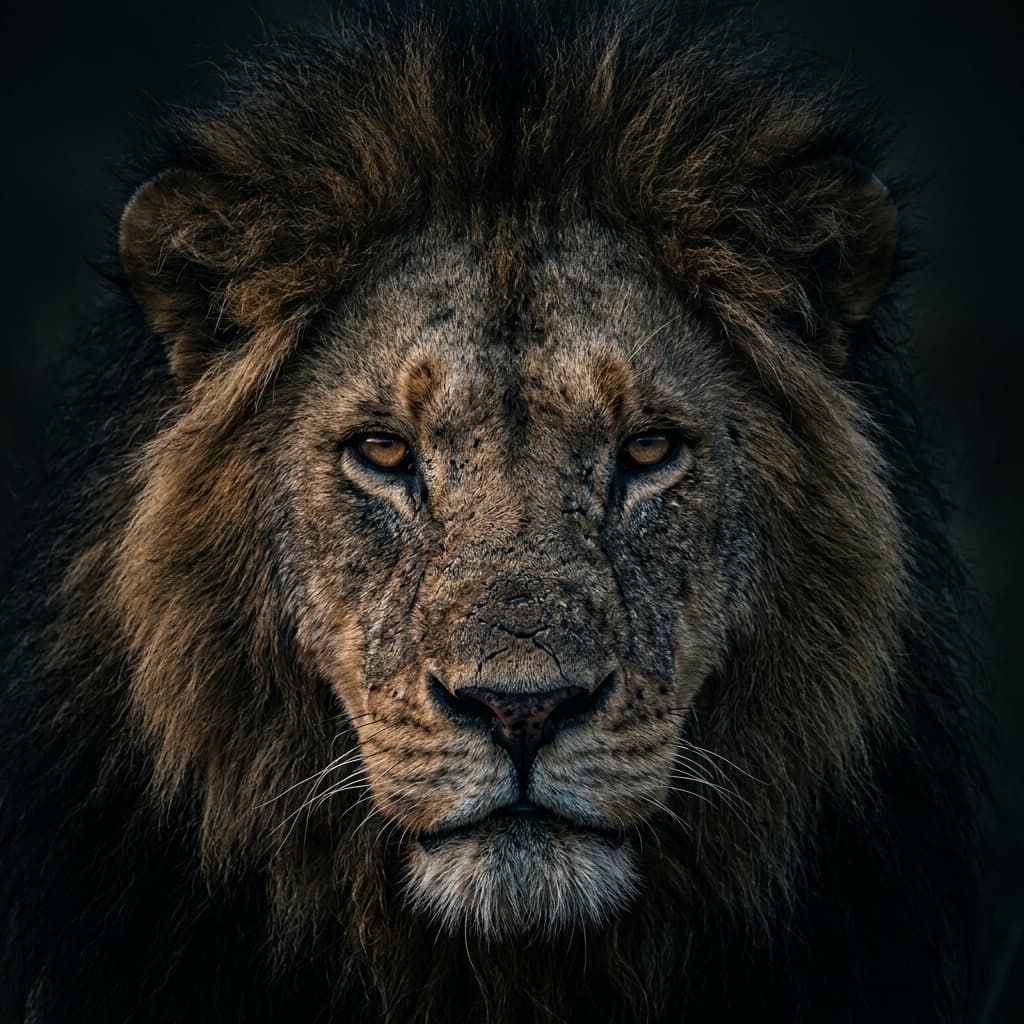
The Northern Section contains the main entrance, airstrip and park headquarters. The terrain ranges from flat grasslands and occasional woodlands dotted with iconic baobabs to hilly country with views of distant Lake Manyara. The Silale Swamps are home to a resident lion pride, and Lake Burungi hosts hippos, crocodiles and waterfowl during the wet season. The Tarangire River flows as the heart of the park — as waterholes and seasonal rivers dry up, animals converge on the river, attracting all the large predator species. Year-round the river supports significant populations of hippos and impressive crocodiles, while leopards are common in the riverbank thickets.
The Western Section is characterised by the nutritious grasslands of the Gursi Plains along with combretum and acacia woodlands, favoured by elephants and cape buffaloes. This area offers good sightings of lions, spotted hyenas and is considered the best place to see the African wild dog — Africa's second most endangered large carnivore — mostly near the Kitibong Hills. The Southern Section is a haven of unspoilt remoteness with minimal infrastructure, making it the prime location for walking safaris. Cheetahs and ostriches are seen fairly frequently here due to lower predator pressure.
Wildlife in Tarangire National Park
Tarangire is home to the largest elephant populations in Africa with several herds of up to 300 members. In addition there are large numbers of impalas, elands, buffaloes, giraffes, Bohor reedbuck, Coke's hartebeests, Thompson's gazelles, greater and lesser kudu, and on rare occasions the unusual gerenuk and fringe-eared oryx — a species not found in other northern circuit parks. Lions, leopards, cheetahs and spotted hyenas are also present, with wild dogs seen on occasion.
Birdlife
With over 545 recorded species, Tarangire National Park is a birder's paradise. Expect to see plovers, bustards, ostriches, bee-eaters, babblers, starlings, eagles, go-away birds, mousebirds, Hamerkop and many migratory species.
Safari Activities
Game drives are offered as day and night drives — night game drives (by permitted operators only) offer sightings of nocturnal species such as civet and aardvark. Guided walking safaris allow for close encounters with plants, smaller wildlife and the finer details of the ecosystem. Hot air balloon safaris drift silently over the landscape at dawn, concluding with a champagne bush breakfast. Cultural experiences visit the traditional homesteads of the Maasai and Barabaig communities. Birding safaris and rock painting day trips to the nearby Kilo Region round out the activity offering.
Best Time to Visit
The ideal time to visit is June to February — the dry season following the short rains — when wildlife concentrates along the Tarangire River and game viewing is at its finest. March to May brings the wet season with frequent rains, lush green landscapes and excellent birding.
Getting There
Tarangire is a comfortable two-hour drive from Kilimanjaro International Airport and Arusha City. Charter flights are available direct to the airstrip in the north of the park from Kilimanjaro International Airport and other national parks. By road from Arusha the journey takes approximately 3 hours.
Where to Stay
Accommodation options ranging from budget to luxury include Tarangire Treetops by Elewana, Tarangire Sopa Lodge, Mbali Mbali Tarangire River Camp, Balloon Camp Tarangire, Kirurumu Tarangire Lodge, Maramboi Tented Lodge and Baobab Tented Lodge.